THE PEOPLE BEHIND THE CATCH
Why Relationships Matter More Than EverThere are plenty of seafood wholesalers who can sell you fish.
What separates the great ones is understanding where it came from, who caught it and the journey it took before arriving in your kitchen.
At Astakos, that's something we've always believed in.
It's why we spend so much time on the road—and on the water—with the people who make our industry what it is.
Recently, I had the privilege of heading out off the South Coast of New South Wales with commercial fisherman Craig, someone I've worked alongside for many years.
It wasn't just another fishing trip.
It was a reminder of why relationships matter.
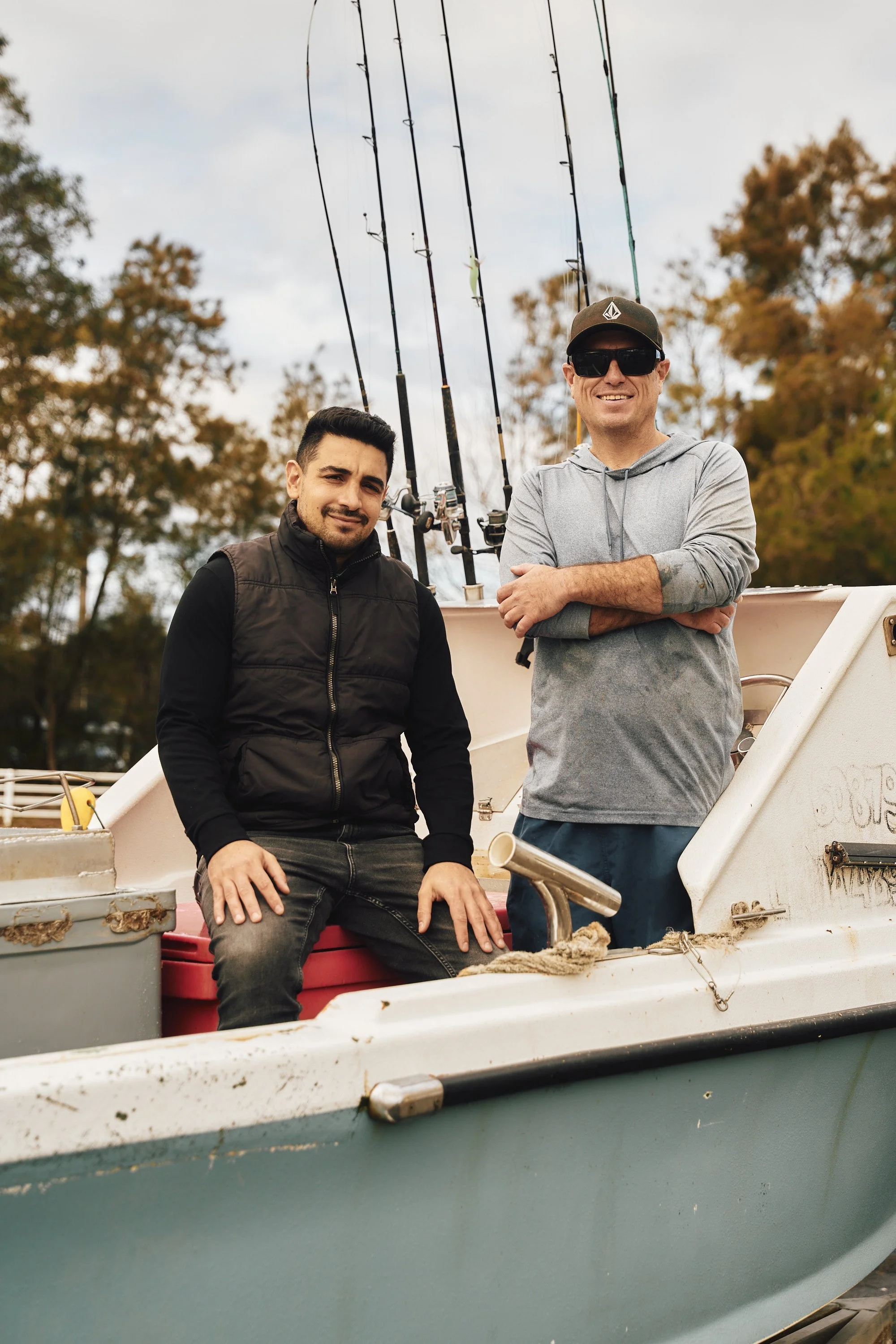
More Than a SupplierCraig wasn't always a fisherman.
He was a plumber from Melbourne.
Like many Australians, he'd spend every spare moment chasing fish, eventually falling in love with the South Coast lifestyle after building a home near Eden.
One neighbour changed everything.
A local commercial fisherman introduced him to the industry, and before long, plumbing became a memory and fishing became a calling.
It's a story I think many people can relate to.
Sometimes you don't choose the industry.
The industry chooses you.
Every Week Starts with a Phone CallOne thing many chefs don't see is what happens before seafood reaches the market.
Every week I'm on the phone with Craig.
What's biting?
How's the water temperature?
What's coming through?
What's looking exceptional?
What's worth putting in front of our chefs this week?
Those conversations shape the recommendations we make every single day.
It's not guesswork.
It's relationships.
Blue Mackerel Deserves More RespectOne species we've watched evolve over the years is Blue Mackerel.
For a long time, it was considered an everyday fish.
Often caught in large volumes, poorly handled and rarely celebrated.
Today, that's changing.
And Craig has played a huge part in that.
Through meticulous handling techniques, careful bleeding, immediate lay-packing and understanding exactly when the fish are feeding, Blue Mackerel has become a completely different product.
The flesh is firmer.
The eating quality is exceptional.
The consistency has improved dramatically.
Sometimes it isn't about finding a new species.
Sometimes it's about treating an existing one properly.
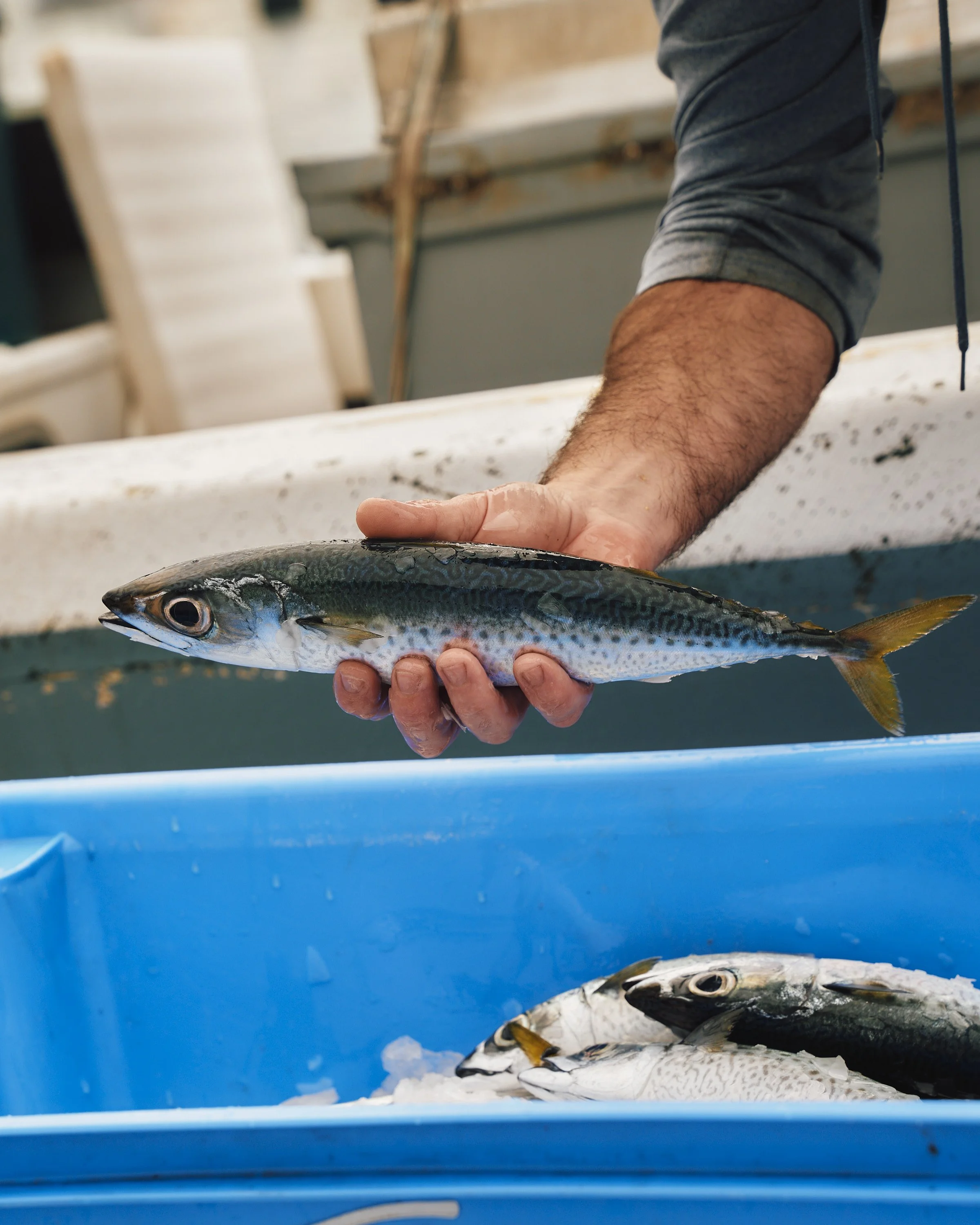
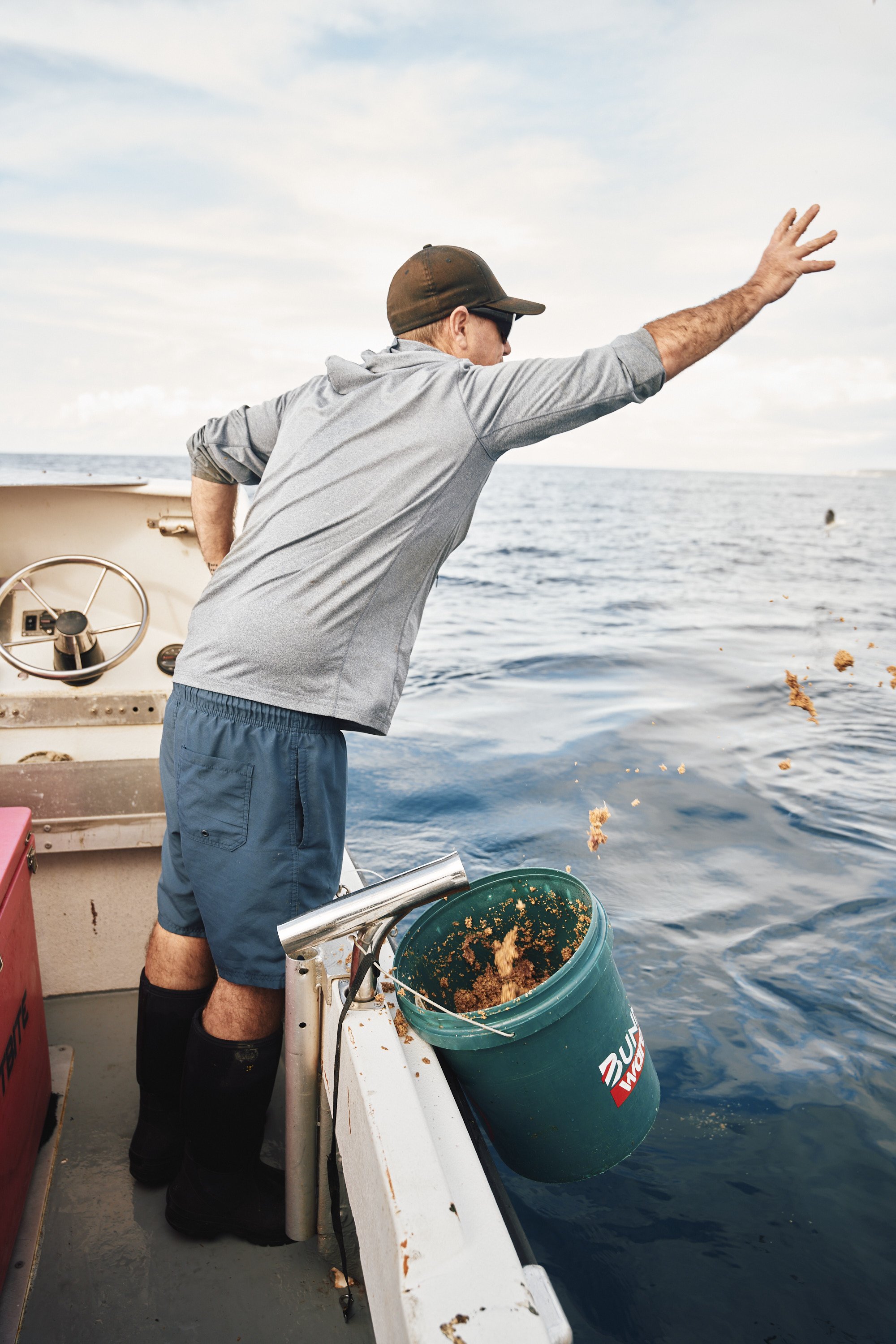
"Watching Craig work was something special. No giant nets. No shortcuts.
Just rods, reels and, when the fish come close enough, simple hand poles.

Each fish is landed individually, de-hooked without unnecessary handling and chilled immediately. It sounds simple.

But every step protects the quality of the fish.Every decision is made with the chef—and ultimately the diner—in mind."
Michael Messiou, Astakos Seafood
The Challenge of Wild-Caught SeafoodWorking with wild seafood is never predictable.
Fish move.
Weather changes.
Conditions shift overnight.
Sometimes the fish simply decide not to bite.
That's the reality of working with nature.
But that's also what makes Australian wild-caught seafood so special.
Craig has built his operation around one simple philosophy:
Never compromise quality.
If bad weather is coming, they stop.
If the fish can't be delivered at their absolute best, they don't send them.
It means long days.
It means missed opportunities.
Sometimes it even means losing money.
But it also means maintaining standards that chefs can trust.
Traceability Isn't a BuzzwordOne of the biggest conversations in hospitality today is traceability.
Chefs want to know where their seafood came from.
Who caught it.
How it was handled.
When it left the water.
That's exactly how it should be.
At Astakos, we don't just buy fish.
We build relationships with the people catching it.
Knowing the fisherman behind the product gives us confidence to stand behind every delivery that leaves our warehouse.
Less Than 18 Hours OldOne thing that really stuck with me was hearing just how much pressure goes into getting seafood from the ocean to the plate.
Fish are caught, processed, packed and dispatched—all in the same day.
In some cases, seafood arrives in Western Australia less than 18 hours after leaving the water.
That's an incredible logistical effort.
And it only happens because every person in the chain—from fisherman to freight, wholesaler to chef—is committed to doing their part.
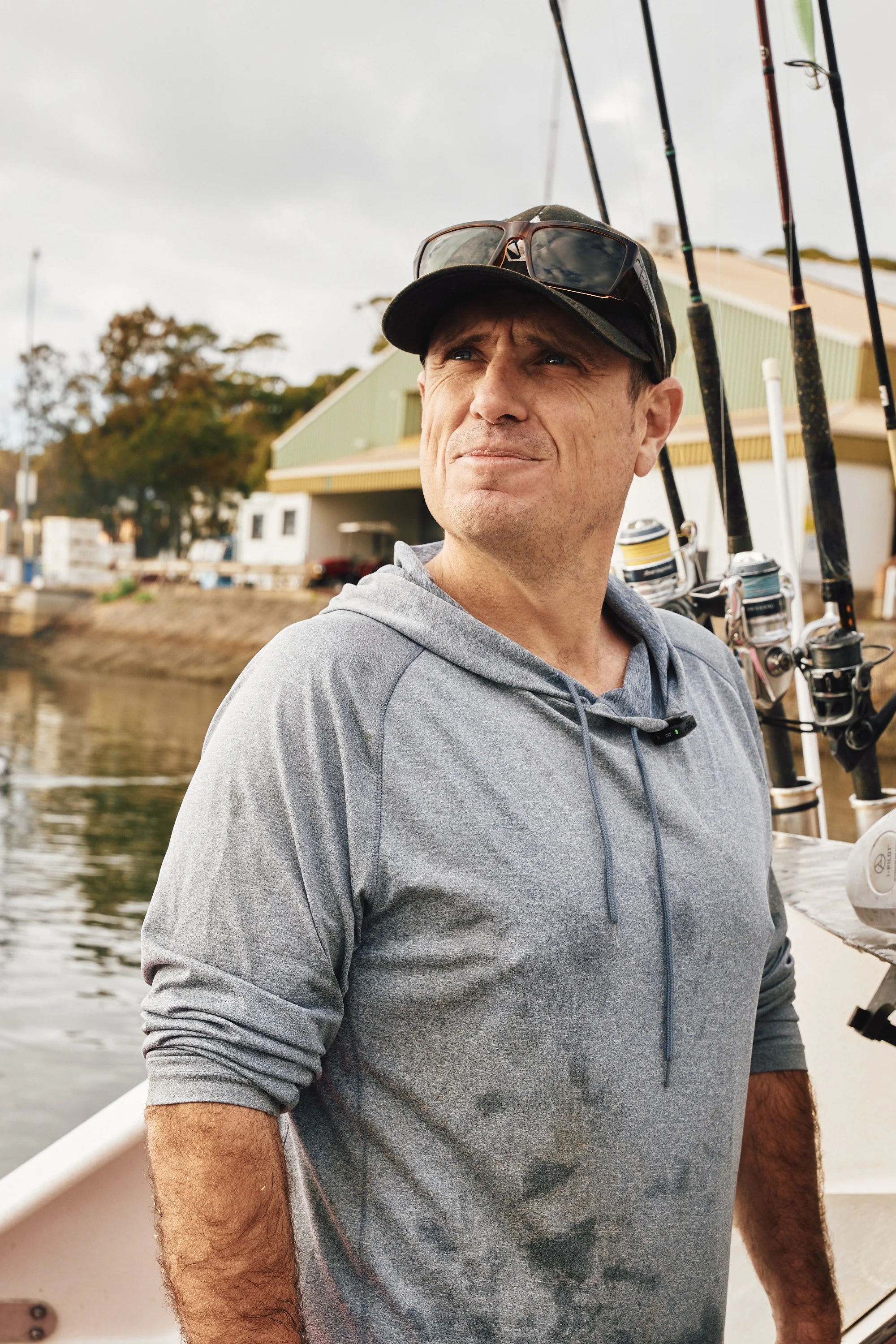
Why We Tell These StoriesWhen I stood on the boat with Craig and watched Blue Mackerel come over the side, I wasn't just watching fish being caught.
I was watching years of experience.
Respect for the ocean.
Commitment to quality.
And a fisherman who genuinely cares about where his product ends up.
Later, seeing those same fish on the plates of some of Australia's best restaurants was incredibly rewarding.
That's what The Journal is about.
Not just showcasing seafood.
Showcasing the people behind it.
Because every great plate starts long before service begins.
It starts with someone prepared to head out before sunrise, work with nature instead of against it and take pride in every fish they catch.
At Astakos, we're proud to tell those stories.
Because when chefs understand the journey, they appreciate the product even more.
And that's exactly the connection we want to build.